
NEWS
ERP and AI in Logistics: How Digital Transformation Boosts Efficiency and Reduces Errors
NEWS
ERP and AI in Logistics: How Digital Transformation Boosts Efficiency and Reduces Errors

10.24.2025
A large logistics company reached out to us for an IT consultation to evaluate their digital infrastructure and identify bottlenecks in day-to-day operations. *If you’d like to receive a free consultation, simply fill out the form on our website.
During our initial analysis, we discovered that despite their impressive growth and extensive operations, the company’s internal processes were held back by a lack of digital integration. Each department worked in isolation, relying on a patchwork of disconnected tools. Orders were processed manually in Excel, trip tracking happened through messaging apps, and financial documents — such as invoices and statements — were created separately and stored on individual computers.
This fragmented workflow caused
- duplication of data,
- frequent human errors,
- unnecessary time losses.
As the company scaled, it became increasingly difficult for management to maintain control and visibility across departments. Key business metrics — such as fleet utilization, deal profitability, and document flow — were scattered across various sources, making decision-making slow and often based on incomplete information.
Employees spent hours each day re-entering the same data, searching for missing files, and manually generating financial documents. Meanwhile, the management team lacked real-time insight into operational efficiency and profitability. It was clear that the company needed more than simple automation — they required a unified digital ecosystem that would seamlessly connect processes, people, and data in one reliable platform.
As we discussed in our previous article, “From Manual to Automated: How AI Improves European Logistics Management and Supply Chain Modeling”, logistics companies that rely heavily on fragmented systems face major inefficiencies, but modern ERP and AI in logistics and transportation solutions can dramatically increase transparency, accuracy, and operational speed. This project was an opportunity to apply those principles in a real-world context.
We started our collaboration with a series of in-depth brainstorming sessions involving the company’s management, logistics coordinators, and accountants. These discussions helped us uncover not only the operational bottlenecks but also the underlying structural issues that slowed the company down. Together, we envisioned a custom ERP system capable of managing the full business cycle — from order creation to financial reporting — in a single environment.
Our team proposed building a modular ERP MVP designed specifically for logistics and supply chain optimization. It would cover order and deal management, fleet monitoring, partner relations, document workflow, and analytics dashboards for real-time insights. The project began with a detailed discovery phase: our business analyst mapped out existing processes, while our project manager defined the delivery roadmap. From there, our developers and designer worked hand in hand to shape the product’s foundation and user experience.
Our cross-functional team handled the project end-to-end, from discovery to deployment. For companies looking to quickly scale their tech capabilities without long hiring cycles, outstaffing can be a game-changer — you can learn more in our article “7 Reasons Outstaffing Is a Game-Changer for Startups & Scale-Ups”. The backend handled data architecture, automation logic, and validation of tax IDs and banking details. The frontend team implemented a fast SPA/SSR interface with role-based dashboards for directors, managers, and accountants — ensuring that each user saw only the tools and metrics relevant to their role.
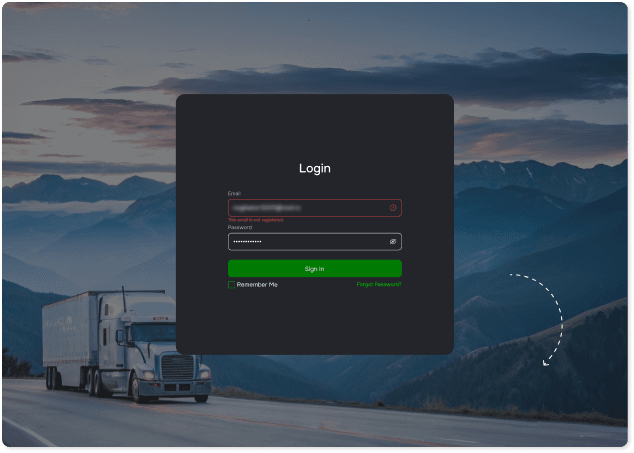
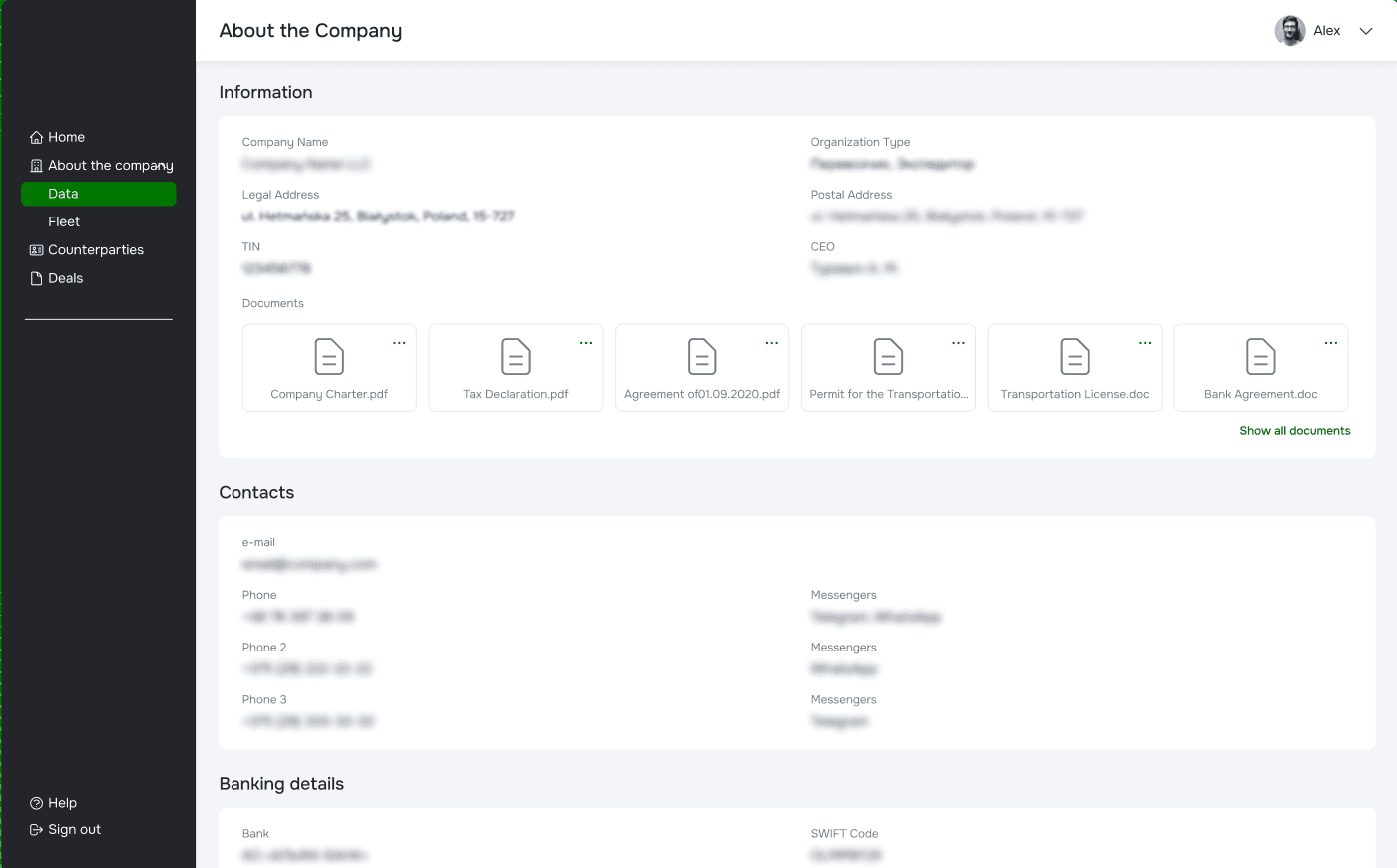
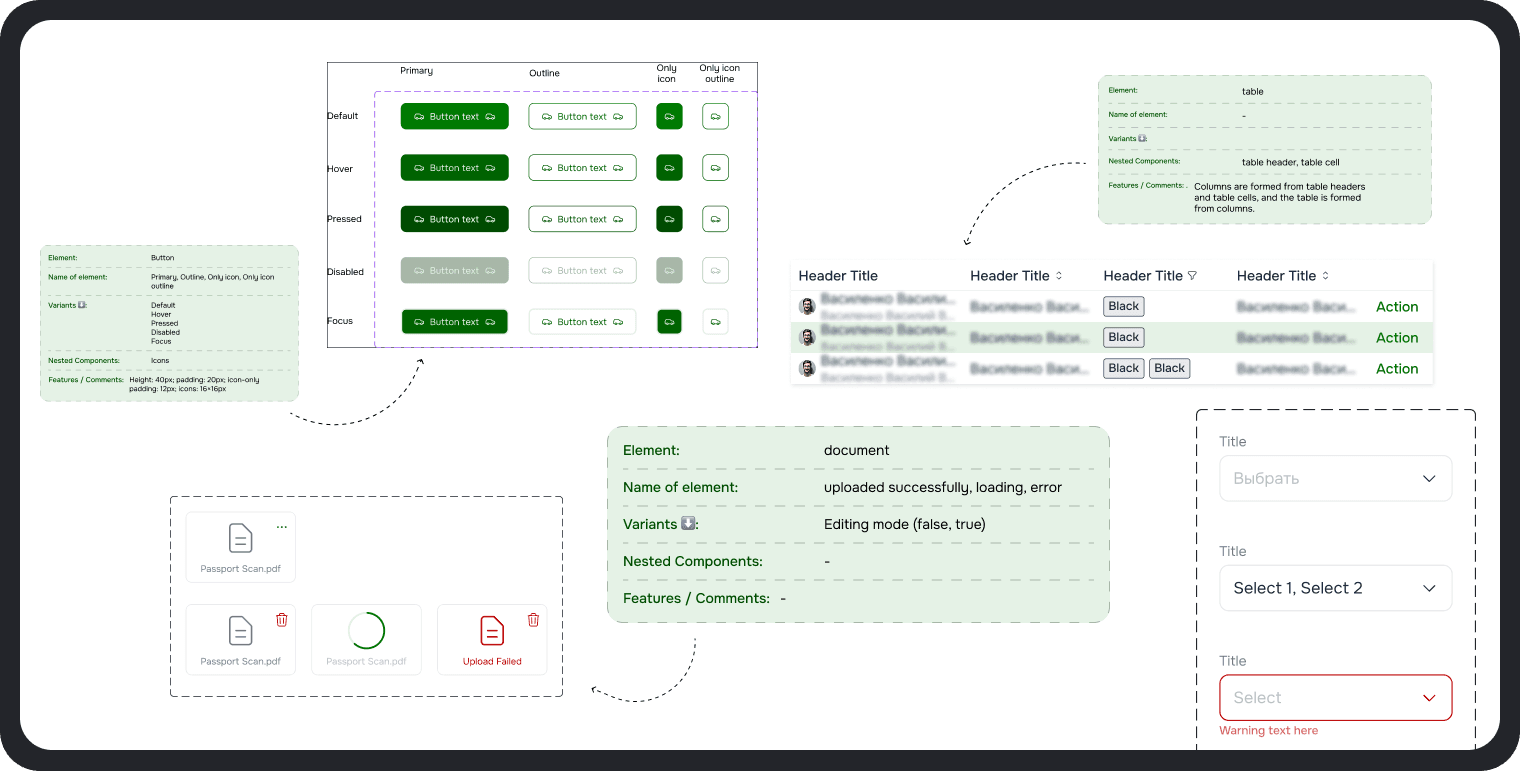
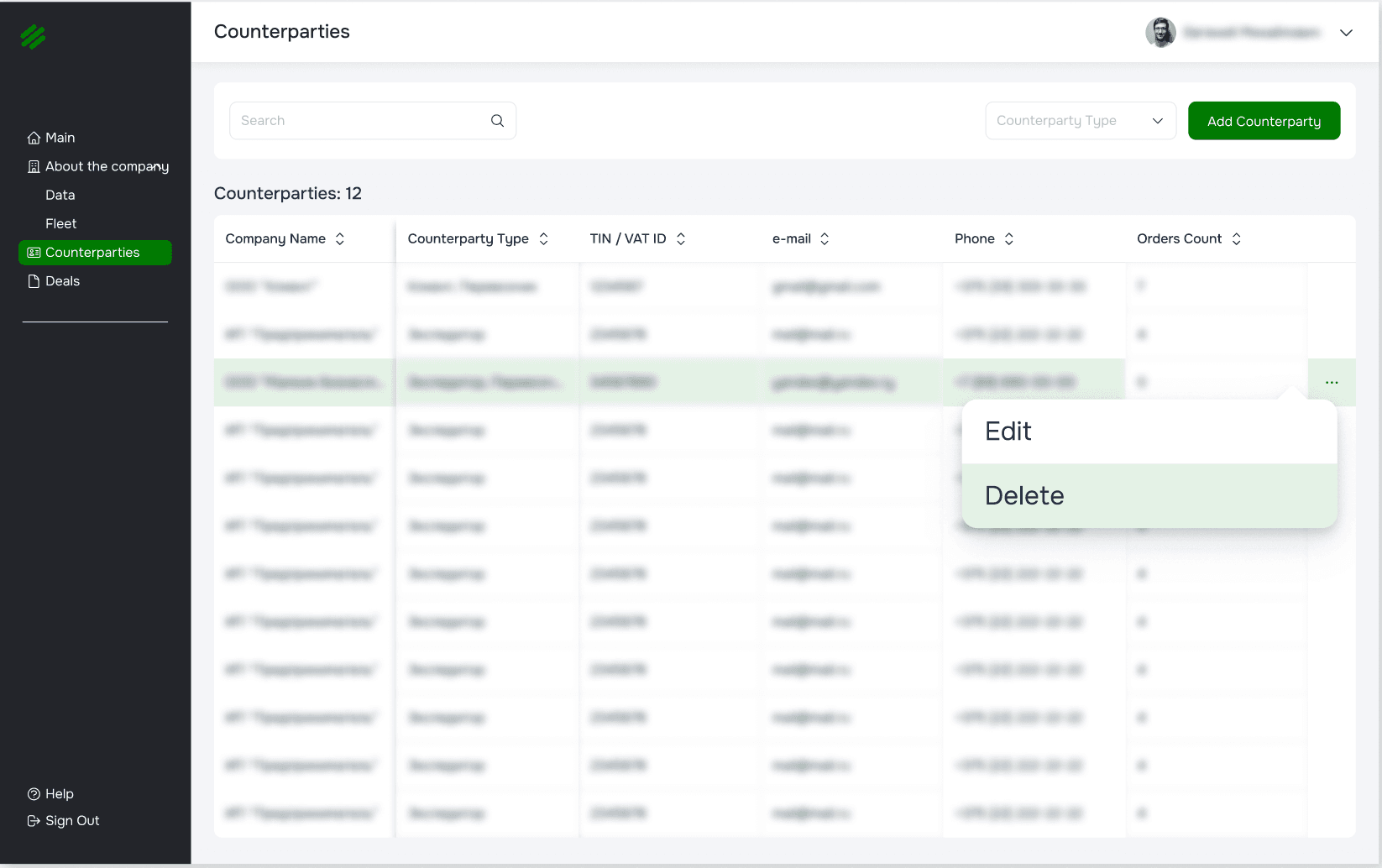
A consistent and modern visual language was created through a custom UI Kit, which unified every module and improved usability. Interfaces were designed to simplify daily operations — from tracking fleet maintenance and insurance to managing counterparties and orders — implementing digital logistics solutions and logistics automation throughout the platform.
Before the launch, we migrated all active data from Excel, trained the company’s employees, and conducted full-scale testing, including performance and document accuracy checks. Once ready, the ERP MVP went live without disrupting the company’s ongoing operations.
The effect of the new ERP system was immediate and measurable. The client reported:
“Within the first six months the investment in development had fully paid off. Order processing time dropped from forty minutes to about ten, while generating invoices and statements took less than a minute instead of fifteen. Human errors — especially in financial documentation — were nearly eliminated thanks to automated validation of tax IDs and banking data.”
Automation didn’t just make processes faster; it also made them smarter. The ERP system began automatically monitoring fleet insurance and maintenance deadlines, ensuring that vehicles were always in compliance and reducing downtime. Employees no longer had to switch between apps or retype data — everything they needed was now centralized and accessible.
For management, the system brought long-awaited transparency. Real-time dashboards displayed up-to-date analytics on trips, profits, and fleet utilization. Reports that used to take hours to prepare could now be generated instantly, segmented by client, vehicle, or driver. Decision-making became data-driven, and communication between departments improved dramatically.
On the customer side, the change was equally visible. With automated document generation and faster processing, clients began receiving invoices and closing documents almost immediately after a trip was completed. The company’s reputation improved, and client satisfaction grew as a result of this new level of efficiency and reliability. This project highlighted the benefits of e-commerce logistics solutions, automation in logistics and supply chain management.
Conclusion
This project became a clear demonstration of how thoughtful digital transformation can reshape a company from the inside out. What started as a fragmented, manual workflow evolved into a structured, intelligent ERP system that unites all business processes under one roof.
Through a combination of deep process understanding, careful planning, and end-to-end development, we helped our client turn operational chaos into clarity. Today, their ERP system is not just a tool for daily management — it’s the digital backbone of their business, supporting growth, transparency, and long-term sustainability.
If your company is facing similar challenges or looking to optimize business processes, our team is ready to help. Schedule a free consultation today by filling out the form on our website and start transforming your operations with a tailored IT solution.
FAQ: ERP and AI in Logistics
1. What is the benefit of implementing an ERP system in logistics?
Implementing an ERP system centralizes all operations, reduces errors, and increases efficiency. With digital logistics solutions and logistics automation, companies gain real-time visibility over fleet, orders, and financial processes, improving decision-making and overall productivity.
2. How can AI improve logistics and supply chain operations?
AI technologies such as Machine Learning (ML) and Natural Language Processing (NLP) help collect, structure, and interpret large volumes of information, improving accuracy, reducing errors, and ensuring optimal allocation of resources, vehicles, and personnel. In addition, AI in logistics and transportation can anticipate demand fluctuations, detect risks, and optimize routes by analyzing both internal and external data, such as forecasting maintenance needs for the fleet or identifying potential bottlenecks in the supply chain before they occur. AI-driven tools can also forecast demand, resource needs, and delivery schedules weeks in advance, allowing companies to optimize fleet routes, improve warehouse operations, and ensure timely deliveries. Together, these benefits help logistics companies increase operational efficiency, reduce costs, enhance supply chain modeling, and gain a competitive advantage in a fast-paced, global market.
3. How long does it take to see results after implementing a logistics ERP system?
The timeframe for seeing results depends on the specifics of your business. For instance, our client reported that the investment in their ERP solution paid off within six months. Order processing time decreased from 40 minutes to approximately 10 minutes, while generating invoices and statements now takes less than a minute. This demonstrates how automation in logistics and supply chain management can quickly improve efficiency, reduce human errors, and deliver measurable ROI.
4. Is it possible to migrate existing data from Excel and other tools to the ERP system?
Yes, absolutely. Migrating existing data is a key part of our ERP deployment process. We carefully transfer all active orders, client records, financial documents, and other critical information from Excel spreadsheets, messaging apps, or legacy systems into the new platform. Our approach ensures that the data is accurately mapped, validated, and fully compatible with the ERP system, minimizing errors and avoiding downtime. This smooth transition allows your team to start using the new system immediately.


CONTACT US